

NordAN expresses support for public health efforts in southern Greenland
11.11.2026 - A municipality in southern Greenland has temporarily stopped alcohol sales following serious concerns about public safety and children's wellbeing. As local authorities consider the next steps, NordAN has expressed support for efforts to develop a long-term, evidence-based approach to reducing alcohol-related harm.
On 2 October 2026, Kommune Kujalleq in southern Greenland introduced a temporary ban on the sale and serving of alcohol. The measure was requested by the municipality and approved by Greenland's government, Naalakkersuisut, following serious incidents linked to alcohol. Mayor Malene Vahl Rasmussen explained that the municipality could no longer stand by while alcohol-related problems continued to affect the community, particularly children and families. The restrictions remain in place while the municipality considers how to address these problems over the longer term.
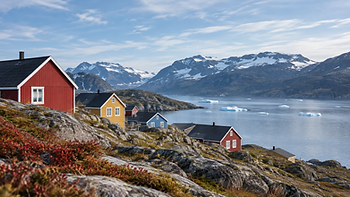
Kujalleq is Greenland's southernmost municipality, with approximately 6,000 residents spread across three towns, Qaqortoq, Narsaq and Nanortalik, and several smaller settlements. The region is known for its fishing, sheep farming and distinctive landscape, but its geographical isolation also creates challenges for public services, transport and access to support. With relatively small communities spread across a large area, decisions about alcohol policy have to take local circumstances into account.
The municipality opened a public consultation from 28 October to 11 November, inviting residents, children, public authorities and other stakeholders to contribute their views. The municipal council is expected to discuss the possible reopening of alcohol sales and future policy measures on 18 November. Early observations have suggested some positive changes. Local police reported fewer alcohol-related incidents and disturbances during the first week of the restrictions, although longer-term monitoring will be needed to understand the full effects.
NordAN has contributed to the discussion with a letter expressing support for the municipality's efforts to improve public health and safety. The contribution does not advocate either maintaining the current prohibition or reopening alcohol sales. Instead, it recognises that these decisions belong to the people of Greenland and their elected representatives, while highlighting relevant experience from other Nordic countries.
A central message of NordAN's contribution is that alcohol policy should not become a debate framed simply as prohibition versus individual freedom. The World Health Organization has identified several effective measures for reducing alcohol-related harm, particularly policies addressing alcohol availability, affordability and marketing. The Nordic countries have considerable experience in these areas, including public health-oriented alcohol retail systems in Finland, Norway, Sweden, Iceland and the Faroe Islands. While local circumstances matter, the underlying scientific evidence provides a strong foundation for policy decisions across different communities.
NordAN also emphasises that people's health, safety and wellbeing should come before economic or commercial interests when developing alcohol policy. Economic considerations are part of the discussion, but they should not determine the direction of policies intended to prevent harm. This is especially important when the interests of children and families are at stake.
Greenland has already developed its own research-based recommendations for a multi-year alcohol policy, prepared through cooperation involving Greenland's health authorities, the Centre for Public Health in Greenland and WHO/Europe. These recommendations bring together alcohol regulation, prevention, treatment, family support and community involvement. NordAN's contribution encourages the use of this existing work and highlights the importance of monitoring and evaluating the changes taking place in Kujalleq. The municipality's experience could provide useful knowledge for alcohol policy development elsewhere in Greenland.
Whatever decisions are made about the current restrictions, NordAN hopes that the situation can become an opportunity to strengthen long-term efforts to reduce alcohol-related harm. Its contribution is intended as an expression of solidarity with those working to improve public health and safety in Greenland, while respecting local knowledge, priorities and decision-making.
The main message is simple: the question is not only what should happen to alcohol sales, but how to create healthier and safer living conditions for the people of Kujalleq, especially children and families.

